Highlights
- Rent growth is anticipated to stabilize at 2.0% annually in 2026, driven by strong demand.
- Supply-constrained areas like New York may see rent increases of 4–5%, reflecting regional disparities.
Summary
The 2026 trends in apartments for rent reflect a pivotal moment in the multifamily housing market as it transitions from a period of subdued rent growth and rapid supply expansion to a phase characterized by moderated construction, tightening occupancy, and steady rent increases. Following relatively flat rent growth during 2024 and 2025, rents are projected to rise by approximately 2.0% annually in 2026, supported by a slowdown in new construction and ongoing strong demand fueled in part by high mortgage costs and demographic shifts, including a surge in single-person households.
Regional disparities are increasingly defining market outcomes, with supply-constrained metropolitan areas in the Northeast—such as New York, Boston, and Washington, D.C.—expected to see robust rent growth of 4–5%, while Midwest and select West Coast markets exhibit moderate gains due to varying levels of supply and demand. Location preferences continue to diverge between urban centers, which attract professionals seeking amenity-rich and sustainable living environments, and suburban areas favored by families desiring more space and affordability, influenced further by remote work and migration trends.
Technological advancements and sustainability are reshaping apartment design, amenities, and property management in 2026. Smart home integration, energy-efficient upgrades, and eco-friendly building practices are becoming standard, enhancing tenant convenience and operational efficiency. Meanwhile, property management increasingly relies on IoT, AI-driven tools, and mobile platforms to streamline operations and improve resident experiences, reflecting a growing emphasis on digital innovation within the industry.
The market faces notable challenges from rising operational costs, regulatory changes—especially in states like California—and ongoing debates over rent control policies. These factors contribute to a more disciplined and competitive environment, requiring landlords and managers to balance tenant protections with incentives for new housing production. Elevated eviction rates and affordability pressures further complicate the landscape, underscoring the importance of comprehensive tenant screening and adaptive management strategies.
Market Overview
The rental apartment market in 2026 is entering a phase marked by a return of pricing power and moderated supply growth. After a relatively flat rent environment during 2024 and 2025, rent growth is projected to accelerate toward an annual increase of around 2.0% starting in 2026 and strengthening further into 2027. This shift is underpinned by a slowdown in construction starts and easing completions, which are expected to tighten occupancy conditions and improve rent growth, particularly in metros where prior overbuilding was cyclical rather than structural.
Economic factors such as moderating job growth and fluctuating consumer confidence introduced some uncertainty in late 2025; however, these have not fundamentally disrupted market trends. The multifamily rental landscape is increasingly shaped by local dynamics rather than uniform national forces. Supply-constrained metropolitan areas, driven by limited new development, and those experiencing strong migration and affordability pressures, are becoming distinct market segments. This bifurcation means that rental outcomes will vary significantly by region and metro area.
Demand remains robust, buoyed in part by high mortgage costs that continue to push potential homebuyers into the rental market, sustaining strong apartment occupancy rates despite slowing new deliveries. Additionally, demographic shifts, including a record increase in single-person households, are elevating demand for smaller unit types such as studios and one-bedroom apartments.
Regionally, the Northeast is expected to lead rental market performance in 2026, with cities like New York, Boston, and Washington, D.C., projecting rent growth between 4-5% driven by limited supply and strong demand. Midwest markets such as Chicago, Kansas City, Cleveland, and Indianapolis offer a balance of affordability, low construction levels, and stable demand, supporting healthy growth of 3-4.5%. Select West Coast metros, particularly in the San Francisco Bay Area, are also anticipated to experience rent increases of 2-3% due to persistent coastal supply constraints.
The rental market is simultaneously facing challenges from rising expenses, increased regulatory compliance, and evolving owner expectations. These factors contribute to a more disciplined and competitive environment where operational efficiency and legal acumen become critical to preserving net operating income and asset value. Moreover, shifting lifestyle preferences are influencing urban and suburban development patterns, with urban cores seeing more vertical construction of condos and apartments, while suburban areas expand horizontally through new neighborhoods and master-planned communities to meet demand for larger homes and value-oriented options.
Location and Community Trends
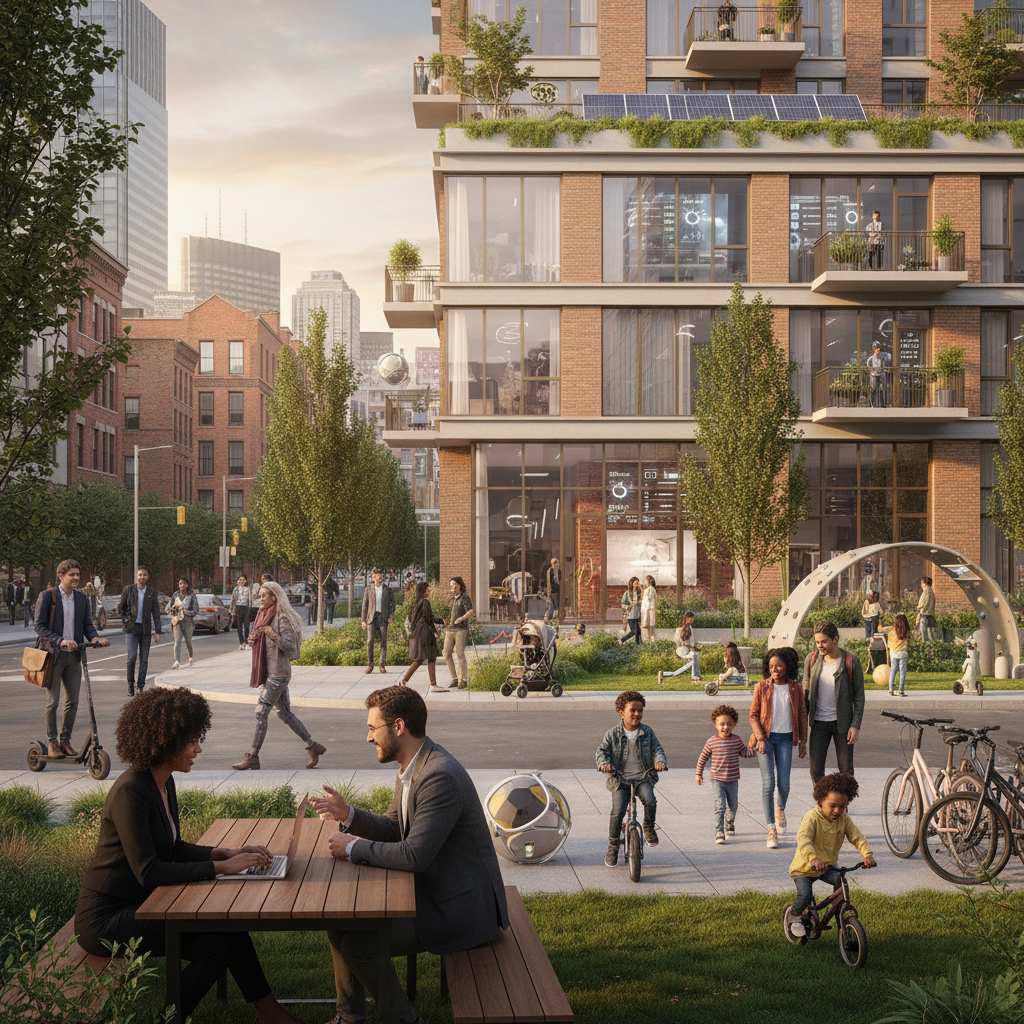
In 2026, rental markets are shaped significantly by location preferences and evolving community dynamics, with clear distinctions emerging between urban and suburban living. Urban apartments continue to attract professionals and Millennials seeking vibrant, amenity-rich environments, including gyms, rooftop spaces, and shared work areas. These urban settings emphasize sustainable design features such as LEED certification, green roofs, and community gardens, appealing to environmentally conscious renters. Urban living offers the convenience of proximity to cultural attractions, nightlife, and public transit, creating a fast-paced and walkable lifestyle.
Conversely, suburban areas, particularly those within commuting distance of major cities like North Austin, are experiencing strong demand driven largely by families and renters seeking more space and quieter neighborhoods. Suburban communities typically offer larger homes, green spaces, quality schools, and parks, fostering a family-friendly atmosphere. Additionally, suburban developments increasingly feature urban-style amenities such as walkable neighborhoods, on-site retail, fitness options, and proximity to public transit, providing renters with a blend of city-like conveniences at more affordable prices.
The migration patterns influenced by remote work and affordability concerns have reinforced interest in lower-density, lower-cost regions of the country, especially in the Southeast and Mountain West. Despite a slowing migration rate, these areas continue to attract renters seeking better affordability and geographic flexibility.
Design and Amenity Trends
Apartment design and amenities in 2026 are evolving to address the unique challenges of smaller living spaces while maximizing comfort and flexibility. Emerging trends focus on creating adaptable environments that efficiently use space without compromising on style or convenience. This includes integrating smart home devices such as lighting, locks, thermostats, security systems, and appliances that enhance personalization and efficiency. However, these amenities rely heavily on robust and reliable Wi-Fi connectivity throughout apartment buildings to function seamlessly.
Sustainability and health-conscious living are becoming central to apartment design. Urban developments increasingly emphasize eco-friendly features like LEED certification, green roofs, and community gardens, catering to environmentally aware tenants. Property managers are also prioritizing upgrades aligned with environmental, social, and governance (ESG) goals by installing energy-efficient windows, LED lighting, and solar panels, which not only lower utility costs but also attract sustainability-minded renters.
Smart technology integration is a key amenity trend that elevates both convenience and security. Voice-controlled assistants compatible with major platforms such as Amazon Alexa, Google Assistant, HomeKit, and SmartThings are now considered essential gadgets for connected living. Advanced smart security systems employing AI can distinguish between family members and potential intruders, reducing false alarms and enhancing peace of mind. Additionally, innovations like adaptive lighting that supports circadian rhythms and biometric security are expected to become mainstream, contributing to healthier and safer living environments.
Property owners and managers are increasingly adopting a Business-to-Business (B2B) approach to deploy smart solutions across multiple dwelling units. Automated systems for HVAC, water leak detection, and energy management reduce operational costs and reliance on onsite staff while increasing property value. Furthermore, mobile apps empower residents with remote control over their apartment’s smart features and facilitate maintenance requests and community engagement, improving tenant experience and management efficiency.
Technological Advancements in Property Management
The property management sector in 2026 is increasingly shaped by the integration of advanced technologies that enhance operational efficiency, tenant satisfaction, and overall property value. One of the most significant trends is the adoption of Internet of Things (IoT) devices, which enable real-time monitoring of building systems, predictive maintenance, and precise control over energy consumption. These capabilities lead to substantial cost savings and improved operational performance.
Specialized property management software platforms have become essential tools, streamlining tasks such as tenant screening, rent collection, lease renewals, and maintenance scheduling. These systems automate work orders, facilitate faster maintenance responses, and centralize communication between property managers, tenants, and service teams. Mobile applications empower residents to control smart features, report maintenance issues, and access community information remotely, increasing convenience and engagement.
Smart home technologies are widely adopted in multifamily communities, encompassing smart security systems, access control, irrigation, package management, and parking operations. Particularly, smart locks and AI-powered security systems reduce false alarms by distinguishing between residents and potential intruders, enhancing safety and peace of mind. Voice-first control interfaces powered by AI further improve user interaction with smart apartments, delivering more intuitive and responsive living experiences.
To maximize the benefits of smart technologies, property managers are investing in training for both staff and residents, ensuring effective usage and troubleshooting of smart systems. Continuous monitoring and maintenance, supported by managed WiFi networks, are critical to maintaining system reliability. Additionally, data analytics plays a pivotal role in predictive and preventative maintenance programs, enabling property managers to identify common issues, schedule services proactively, and demonstrate the cost-effectiveness of such strategies compared to emergency repairs.
Automation is also transforming property management workflows by reducing manual tasks, minimizing handoffs between teams, and supporting consistent execution across portfolios. The use of AI in tenant screening helps make faster and smarter decisions, improving safety and protecting investments from rental fraud. Moreover, digital tools such as virtual tours and online tenant portals meet renters’ growing expectations for convenience and transparency, while managing online reputations through positive tenant experiences has become crucial for reducing vacancy periods and maintaining a stable rental community.
Economic and Regulatory Factors
Macroeconomic conditions leading into 2026 have been shaped by a complex interplay of national economic trends and regulatory changes that directly impact the apartment rental market. The year 2025 saw a robust first half driven by consumer spending and business investments, followed by a slowdown in the latter half due to tariffs, sluggish employment, and the longest federal government shutdown in history. This shutdown caused significant delays in economic data reporting, forcing analysts to rely on alternative sources to forecast 2026 trends.
The rental housing industry experienced a flat pricing environment through 2024 and 2025, but pricing power is expected to return in 2026 with projected rent growth around 2.0% annually. This anticipated increase is partly due to a slowing pace of new construction, as completions are forecasted to decline starting late 2025 and continuing through 2026, suggesting a potential tightening of market fundamentals in coming years. Additionally, moderating job growth and declining consumer confidence towards the end of 2025 injected uncertainty but were insufficient to disrupt overall market fundamentals.
A notable trend influencing rent dynamics is the geographic bifurcation between metros with high supply and those with constrained supply. Local factors such as development cycles, migration patterns influenced by remote work, and affordability pressures are becoming more dominant than national forces in determining rent outcomes. Migration trends continue to favor lower-density, lower-cost regions, particularly in the Southeast and Mountain West, despite a general slowdown in migration rates.
On the inflation front, the housing market remains a major driver of overall inflation trends. The national average rent Consumer Price Index (CPI) is expected to slow to about 2.8% in 2026, indicating a further softening in rent inflation compared to previous years. Contained inflationary pressures in the rental segment are likely to help maintain a softer overall shelter inflation rate throughout 2026.
Regulatory changes, especially in California, are introducing new compliance requirements for rental housing providers effective January 1, 2026. These include modernized security deposit policies allowing electronic and non-standard arrangements, mandatory appliance requirements, and expanded landlord responsibilities related to natural disaster responses such as debris removal and potential rent abatements. These updates build upon existing tenant protections and require landlords and property managers to review leases, policies, and operational procedures carefully to maintain compliance and protect net operating income.
At the federal level, funding for rental assistance programs received a boost in the fiscal year 2026 budget, countering earlier proposals for cuts. Legislative progress includes the Senate’s passage of the ROAD to Housing Act and the House’s Housing for the 21st Century Act, both aiming to increase housing supply, expand support for home repair and disaster recovery, and reduce administrative burdens. However, despite these efforts, federal resources remain insufficient to meet demand, prompting state and local governments to adopt innovative approaches such as mixed-income and social housing models to address affordability gaps.
Opposition to expanding rent control measures continues to shape the regulatory environment, particularly in California. Pro-housing groups, including the California Apartment Association (CAA), argue that stricter rent control policies reduce housing availability and discourage new construction. Concerns have also been raised about proposals to extend rent control to accessory dwelling units, which have been one of the few growth areas in recent multifamily housing development. These debates underscore the ongoing tension between protecting tenant affordability and encouraging housing production.
Rental Market Trends and Forecasts
The rental market in 2026 is expected to enter a more balanced and disciplined phase after several years of volatility and rapid changes. With construction slowing down—from 591,700 units delivered in 2024 to a projected 414,000 units in 2026—rent growth is forecasted to moderate to a steady 2–3% nationally, following a prolonged period of declines and sharp fluctuations. Economist Carl Whitaker notes that the era of extreme rent hikes and deep concessions is likely over, giving way to steadier and more consistent rent trends aligned with historical norms and market fundamentals.
National median asking rents across the 50 largest metropolitan areas stabilized at around $1,693, marking a 1% year-over-year decline and representing the 28th consecutive month of such declines, although some moderate growth is anticipated later in 2026. Vacancy rates remain elevated, reaching a record 7.2% in 2024 due to the influx of new multifamily units, which has contributed to a cooling rental market with longer list-to-lease times and softer occupancy rates in many regions.
Regional disparities continue to shape rental market dynamics. The Sun Belt is poised for gradual recovery with moderate rent growth of 1–2% following a slow 2025, while the Northeast is expected to remain tight and high-performing, with rent increases of 4–5% annually due to limited new supply. Markets with strong metro economies and constrained supply generally outperform those with high new construction, where Class A properties face more lease-up pressure compared to more stabilized Class B communities.
Other notable trends influencing the rental market include sustained elevated eviction rates—approximately 3.6 million annually nationwide—with some cities experiencing 50–63% increases over pre-pandemic levels, underscoring the importance of comprehensive tenant screening. The remote work trend remains significant, with 27% of the workforce fully remote and 52% hybrid, shaping demand for suburban and commuter-friendly locations. Additionally, demographic shifts such as the rise in single-person households are driving increased demand for smaller units like studios and one-bedroom apartments.
Urban centers such as Manhattan have experienced a rebound fueled by a return to in-office work, higher lease renewal rates, and limited new construction, resulting in competitive rental markets with few vacancies. Suburban markets within commuting distance of major cities, such as North Austin suburbs, also continue to see strong demand, reflecting a broader preference for walkable and fast-paced environments.
Demographic and Tenant Preference Shifts
The rental market in 2026 is experiencing notable demographic and tenant preference shifts that are shaping demand and influencing property offerings. One significant trend is the growing presence of single-person households, which has driven increased demand for studio and one-bedroom apartments. This shift reflects changing lifestyle habits across the U.S., as more individuals seek smaller, more manageable living spaces. Additionally, rental demand remains strong among families, requiring landlords and property managers to adopt more targeted marketing strategies tailored to
Future Outlook
The apartment rental market in 2026 is expected to undergo a significant shift as the current supply wave peaks and completions meaningfully decline starting in late 2025 and continuing through 2026. This anticipated slowdown in new construction—from 591,700 units delivered in 2024 to a projected 414,000 units in 2026—will likely lead to tighter market fundamentals, including moderated rent growth and improved occupancy levels after several years of volatility. National median rents, which had been declining for 28 consecutive months, are forecasted to stabilize and grow modestly by 2-3% in 2026 as supply-demand dynamics balance out.
Landlord strategies will need to adapt to these evolving conditions, with an increased focus on technologies such as AI-powered leasing, centralized operations, and enhanced resident experiences to create and preserve value in a shifting environment. Moreover, eviction rates remain elevated nationwide, necessitating the use of comprehensive screening tools to mitigate risks associated with tenant defaults.
Sustainability and environmental, social, and governance (ESG) considerations are also set to shape the future outlook for apartment rentals. Property managers and developers will prioritize green upgrades—including energy-efficient windows, LED lighting, and solar panel installations—not only to reduce operational costs but also to attract environmentally conscious tenants. Urban developments will increasingly emphasize sustainable design and health-forward building standards such as LEED certification, green roofs, and community gardens, reflecting a broader trend toward eco-friendly living that resonates with Millennials and urban professionals.
The content is provided by Blake Sterling, The True Signal