Highlights
- Diverse farm worker roles in Switzerland support sustainable agricultural production and environmental stewardship.
- Technological advancements are reshaping agricultural jobs, emphasizing the need for skilled labor.
Evaluating Farm Worker Roles in Switzerland
Farm worker roles in Switzerland are integral to the nation’s diverse agricultural sector, encompassing responsibilities from crop cultivation and animal husbandry to machinery operation and farm maintenance. These positions are critical for sustaining Switzerland’s varied agricultural production, which includes grain farming in the western Mittelland and fruit growing in the eastern cantons. Understanding the nature of these roles, the required skills, and the regulatory environment is essential for individuals considering employment in this sector.
Nature of Farm Work and Required Skills
Swiss farm work involves a broad spectrum of tasks, demanding both physical stamina and practical skills. Core responsibilities include caring for livestock, which entails feeding, health monitoring, and maintaining clean living environments. Crop cultivation tasks range from land preparation, sowing, and irrigation to applying fertilizers and harvesting various produce like fruits, vegetables, and grains.
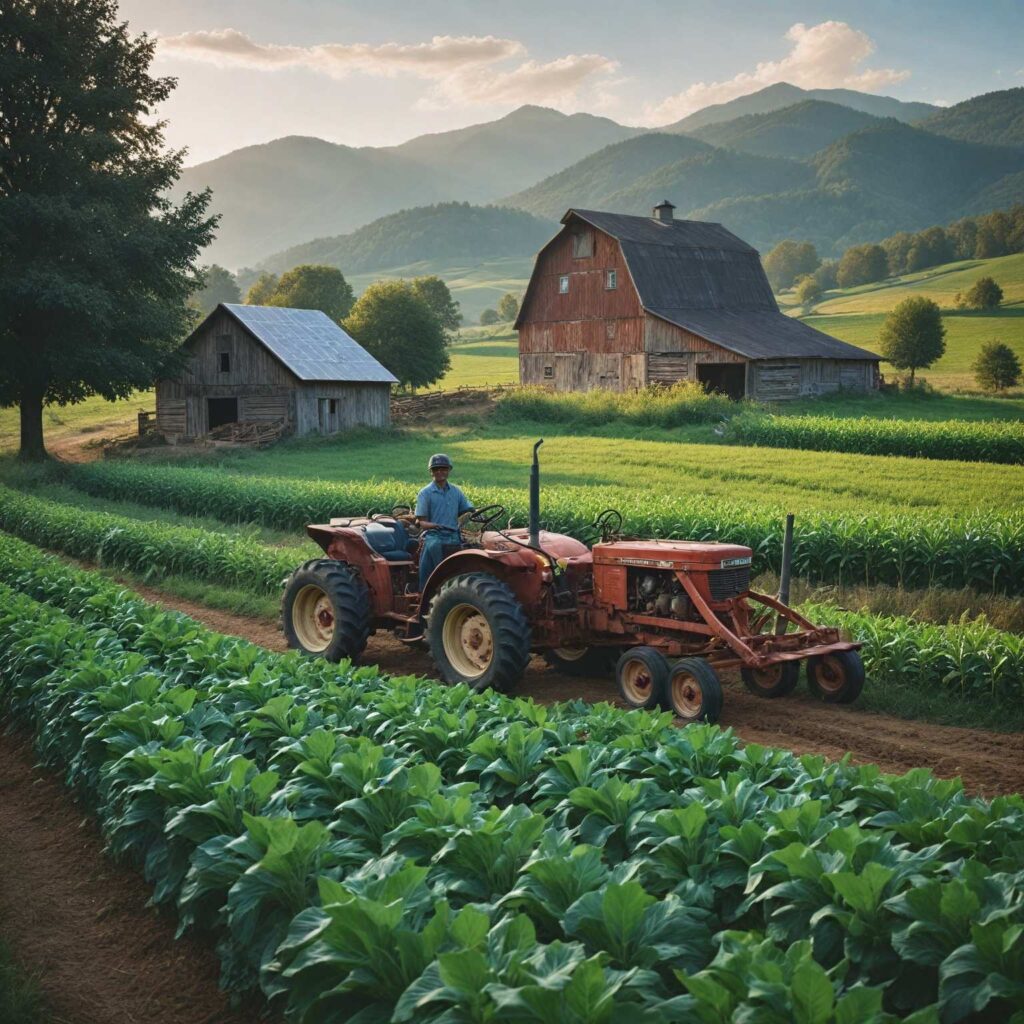
Operating agricultural machinery is a significant component of modern farm work, requiring proficiency with equipment such as tractors, plows, and harvesters. Workers also contribute to the maintenance and repair of farm infrastructure, including buildings, fences, and machinery, to ensure continuous operations. Beyond traditional farming, specialized roles in forestry and aquaculture also exist, reflecting the sector’s integration of environmental stewardship with productivity.
Entry-level positions often provide on-the-job training, but a strong work ethic, physical fitness, and adaptability are crucial. The work is physically demanding, involving lifting, prolonged standing, and outdoor tasks in varying weather conditions. Technical proficiency in machinery operation and basic mechanical knowledge are highly valued for optimal performance and routine maintenance.
Employment Conditions and Legal Framework
Employment conditions for Swiss farm workers are governed by comprehensive statutory laws and collective labor agreements, ensuring employee protections. These regulations establish limits on working hours, mandatory breaks, and rest periods to safeguard health and safety. Typical working hours for agricultural workers generally adhere to limits of 45 to 50 hours per week, depending on the specific sector and agreement.
Employees are entitled to mandatory breaks during the workday and a minimum uninterrupted rest period of 11 hours within each 24-hour cycle. Overtime compensation is mandated at a rate of at least 25% above the regular wage, with daily and annual limits. Employers are legally required to accurately track work hours, and failure to do so can result in presumptions favoring employee claims regarding overtime.
Compensation for entry-level farm workers typically starts around CHF 16 per hour, translating to approximately CHF 2,500 to CHF 3,000 per month before taxes. Salaries can vary based on experience, role complexity, and geographic location, with higher wages in cantons like Zurich or Geneva to offset living costs. Foreign nationals seeking farm work must comply with work permit and visa requirements, often supported by employer sponsorship and formal recruitment processes.
Challenges and Adaptability in Swiss Farm Work
Farm workers in Switzerland face several challenges inherent to the agricultural sector, requiring significant adaptability. The physically demanding nature of the work, involving heavy lifting and prolonged outdoor exposure, necessitates strong endurance. Seasonality also presents instability, as many positions are temporary and dependent on crop cycles, which can impact long-term financial security.
Compliance with Swiss labor regulations adds a layer of complexity for both workers and employers. Adherence to strict working hour caps, break requirements, and overtime rules is essential, particularly for farms employing seasonal or migrant workers. Additionally, environmental considerations are paramount, as many farms emphasize sustainable and organic practices, requiring workers to adhere to specific guidelines for balanced fertilizer use, crop rotation, and limited pesticide application to qualify for subsidies.
Future Trends and Specialization in Agriculture
The future of Swiss farm worker roles is being shaped by technological advancements and evolving sustainability policies. Mechanization, through the adoption of advanced machinery like tractors and combine harvesters, increases productivity and reduces manual labor needs, allowing fewer workers to manage larger areas efficiently. This trend emphasizes the need for workers to be skilled in operating and maintaining complex equipment.
Swiss agricultural policy increasingly rewards ecological stewardship and sustainable practices, requiring farm workers and managers to adopt environmentally conscious methods daily. The vocational education and training (VET) system plays a crucial role in preparing a skilled workforce, offering apprenticeships that combine practical workplace learning with theoretical schooling. This dual system equips individuals with the knowledge and skills necessary to meet the evolving demands of a technologically advanced and environmentally responsible agricultural sector, including specialized roles such as agricultural engineers.
The content is provided by Jordan Fields, The True Signal