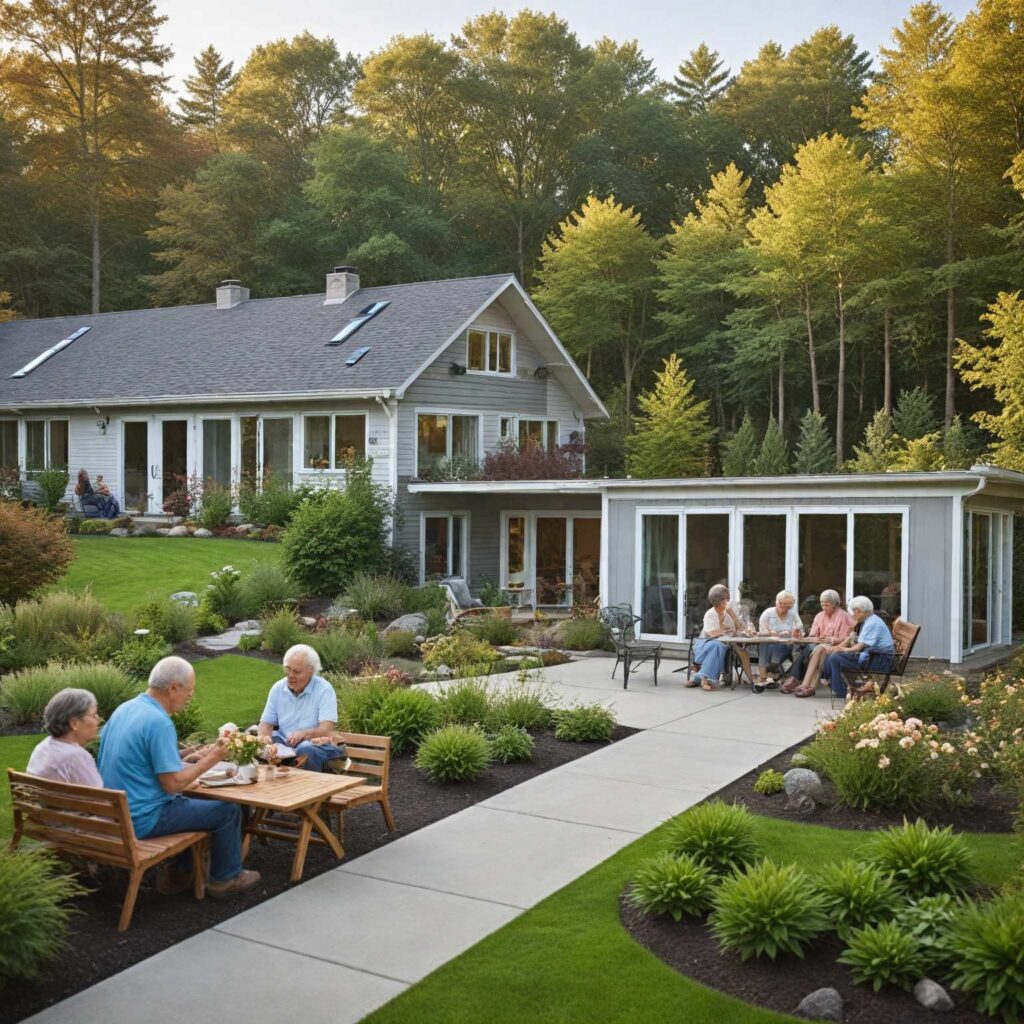
Highlights
- Prefab homes for seniors combine affordability with safety and accessibility features.
- The growing demand highlights a need for innovative housing solutions for aging adults.
“`html
Summary of Affordable Prefab Homes for Seniors
Affordable prefab homes for seniors address the growing need for accessible and cost-effective living solutions for aging adults. These homes, constructed in factory settings and assembled on-site, offer benefits such as faster construction times, lower costs, and enhanced quality control. They can be customized with features like single-level layouts and accessible bathrooms, promoting independence for older adults. However, users must navigate potential zoning regulations, financing challenges, and site-specific costs, particularly in less developed areas. Future advancements in modular construction and government support may enhance the attractiveness of these housing options.
Understanding Prefab Homes
Prefab homes, or modular homes, provide an efficient alternative to traditional housing for seniors. Constructed off-site in controlled environments, they ensure quality control and more rapid completion—30% to 60% faster than conventional builds. Essential features for senior living, such as wider doorways and energy-efficient systems, help to lower ongoing costs and enhance comfort. Moreover, modular homes must adhere to various regulatory standards, impacting design, construction, and financing options.
Importance of Affordable Housing for Seniors
The demand for affordable and flexible housing options is increasing as the population of older adults grows. Traditional senior living arrangements, such as assisted living facilities, are often financially burdensome and rigid. Government programs, like the Section 202 Supportive Housing Program, play a crucial role in subsidizing housing for seniors on fixed incomes. Prefabricated homes can alleviate some of these challenges by providing accessible designs that accommodate changing needs and allow seniors to live independently. Thoughtful community planning can further support a diverse range of housing types, ensuring integration and safety.
Customization and Limitations
Prefab homes for seniors offer significant customization options, including designs that enhance accessibility and safety. Common features comprise single-level layouts, no-step entries, and adaptable spaces that cater to mobility-related challenges. However, site-related challenges—like utility connections—can inflate costs and complicate the installation process. Regulatory hurdles may also hinder the ease of financing and personalization options. While these homes offer a lot of adaptive capabilities, buyers must carefully assess whether their specific needs and preferences can be met.
Social Integration and Community Wellbeing
Modern modular homes are designed not only for physical safety but also to foster social engagement among residents. Incorporating elements such as single-level layouts and open spaces, these homes encourage interaction and community connections. Concepts like ECHO housing allow seniors to live near family while maintaining independence. Furthermore, emerging models, such as pocket neighborhoods, are promoting social connectivity and support, which are vital for the emotional wellbeing of older adults. Overall, the focus on design that empowers independence while ensuring community ties is essential for enhancing quality of life in later years.
“`
The content is provided by Avery Redwood, The True Signal