Highlights
- Discover effective pest control strategies tailored for urgent health and safety situations.
- Embrace eco-friendly methods and integrated approaches for sustainable pest management solutions.
Summary
Explore Quick Pest Control Solutions for Urgent Situations provides a comprehensive overview of effective strategies to manage sudden and potentially harmful pest infestations that threaten health, safety, and property. Urgent pest situations commonly involve rodents, cockroaches, bed bugs, wasps, and termites, each requiring rapid identification and tailored interventions to prevent extensive damage or health risks. The article outlines the importance of swift assessment, containment, and the application of mechanical, chemical, and biological control methods to mitigate infestations efficiently.
The guide emphasizes an integrated pest management (IPM) approach, combining immediate physical removal, chemical treatments, and exclusion techniques to maximize effectiveness while minimizing environmental and health impacts. It also highlights the role of do-it-yourself emergency measures as temporary solutions when professional assistance is delayed. Safety precautions and environmental considerations are discussed in detail, underscoring the responsible use of pesticides and the benefits of eco-friendly alternatives such as biological control agents.
Rapid control methods are further categorized by pest species, addressing the unique behaviors and risks posed by rodents, termites, cockroaches, and ants. The article stresses that tailored responses, including the use of species-specific baits and physical barriers, are crucial for successful eradication. Additionally, it considers the practicality and effectiveness of these methods across diverse settings—residential, agricultural, urban farms, and commercial facilities—while advocating for sustainable, preventive measures to reduce the recurrence of pest emergencies.
Overall, the article serves as a valuable resource for understanding urgent pest control solutions, balancing immediate action with long-term management strategies. It acknowledges the challenges of rapid pest eradication and the controversies surrounding pesticide use, promoting integrated and environmentally conscious approaches to safeguard both human health and property integrity.
Common Urgent Pest Situations
Urgent pest situations typically arise when pests pose immediate threats to health, safety, or property, demanding rapid and effective response. Common scenarios include sudden invasions of rodents, such as mice or rats scurrying in attics or walls, and the unexpected appearance of insect colonies like wasps or termites in residential or commercial spaces.
One frequent urgent pest problem involves rodents. These pests are notorious for causing structural damage by gnawing on wood, wires, and insulation, while also leaving behind droppings and urine stains that can indicate severe infestations. Their persistent chewing behavior serves to manage the length of their teeth but simultaneously results in visible property damage and potential fire hazards. Swift identification and removal are critical, as unchecked rodent populations can rapidly escalate.
Cockroach infestations also often demand emergency intervention. These scavengers, sometimes described as “the vultures of the insect world,” are attracted to food sources and tend to spread poison through bait stations that allow for a slow-acting insecticide to disseminate throughout the population. Cockroaches emit noises such as clicking or fluttering when foraging, which can help in early detection. Because they reproduce quickly and hide in various household crevices, a rapid, targeted approach is essential to prevent widespread infestation.
Bed bug invasions constitute another urgent pest situation, particularly due to their elusive nature and close association with human living spaces. Infestations are often detected by small rust-colored stains on bedding or the presence of live bugs and eggshells in mattresses and furniture. Professional treatments typically involve comprehensive insecticide applications targeting all living areas to fully eradicate the infestation and prevent recurrence.
Other urgent pest scenarios include the discovery of wasp nests near entryways or termite colonies within walls, both of which can quickly become dangerous or cause significant structural damage if not addressed promptly. Termite control is often distinguished by the need for specialized knowledge and rapid response to mitigate costly damage.
Quick Pest Control Solutions for Urgent Situations
Urgent pest infestations require rapid and effective responses to protect health, safety, and property. Acting swiftly with appropriate measures can minimize damage and prevent the spread of pests to other areas. Several methods and strategies can be employed immediately to address pest emergencies while awaiting professional assistance or as temporary fixes.
Initial Assessment and Immediate Actions
The first step in an emergency pest situation is to remain calm, assess the severity, and prioritize containment to stop pests from spreading further. This involves identifying entry points and blocking them using barriers or exclusion techniques, such as sealing cracks and crevices with caulk or filling gaps around pipes with steel wool. Containment isolates the affected areas, reducing the risk of widespread infestation.
Mechanical and Physical Control Methods
Mechanical control involves using physical devices or manual techniques to capture, remove, or kill pests. These methods are often fast-acting and suitable for small or acute infestations. Examples include hand-picking pests off plants, spraying them off with a strong water stream, using fly swatters, mouse traps, glue boards, and bait stations. Physical methods modify the environment, such as changing temperature or structure, but typically require specialized equipment.
While mechanical methods can provide immediate relief, caution is necessary. For instance, spraying mites from one plant may inadvertently spread them to nearby hosts. Nevertheless, tools like fine mesh screens or sticky barriers (e.g., Tanglefoot®) are effective for exclusion and temporary suppression of pests.
Chemical Control Solutions
Chemical pest control is widely used for rapid knockdown of pest populations and is favored for its fast and targeted action. Common pesticides include pyrethrins, pyrethroids (such as permethrin), and fipronil, which come in various formulations like sprays, dusts, powders, and baits. These chemicals not only kill pests upon contact but can also act as repellents to prevent reinfestation.
For cockroach control, gel baits such as Advion cockroach gel or Terro T502 Roach Bait Gel offer immediate effectiveness and can be placed in cracks and crevices where pests hide. Some baits require careful application to avoid mess and may harden over time, necessitating reapplication. Insect growth regulators sterilize pests to disrupt reproduction, providing longer-term control when combined with other treatments.
Despite their efficacy, chemical treatments should be used according to label instructions to minimize environmental and health risks. Pyrethrum-based insecticides are popular for rapid action against mosquitoes and other vectors but require careful handling.
Do-It-Yourself (DIY) Emergency Measures
When professional help is not immediately available, homeowners can implement temporary DIY solutions using natural remedies and household items to reduce pest activity. Such methods serve as stopgap measures until experts arrive, emphasizing the importance of swift and correct action.
Integrated Approach for Maximum Effectiveness
A successful urgent pest control response often combines multiple techniques: mechanical removal, chemical application, and exclusion practices to contain and reduce pest populations efficiently. This integrated pest management approach balances immediate needs with long-term safety and environmental considerations, ensuring effective control while minimizing adverse impacts.
Rapid-Action Control Methods by Pest Species
Effective rapid-action control methods vary depending on the pest species involved, with tailored approaches addressing the unique behaviors and risks associated with each. Below is an overview of strategies commonly employed for urgent pest situations.
Rodents
Rodent infestations require prompt identification and intervention to prevent structural damage and health hazards. Key signs of rodent presence include droppings, urine stains, gnaw marks on wood, wires, and insulation, as well as characteristic noises such as chewing or scratching sounds in hidden, warm spaces. Control methods often combine physical barriers and traps with sanitation and exclusion techniques. Additionally, certain dog breeds like the Rat Terrier have been historically used for pest control, given their aptitude for hunting and killing rats.
Termites
Termites are particularly destructive pests due to their wood-feeding habits, which can quietly compromise the structural integrity of buildings over time. Rapid extermination is critical to prevent costly damage. Integrated approaches combining chemical insecticides, baits, and physical controls enhance the likelihood of eliminating termite colonies completely. Proactive monitoring and anticipating infestations enable timely and long-term protection for affected properties.
Cockroaches
Cockroaches pose significant health risks as carriers of disease and allergens, and they can rapidly multiply if unchecked. Early intervention involves sanitation and elimination of food and moisture sources, combined with baiting strategies. Baits containing slow-acting poisons exploit cockroaches’ scavenging behavior, allowing poisoned individuals to spread toxins to others in the colony, increasing overall effectiveness. Physical control methods such as sealing cracks and crevices can also help reduce entry points.
Ants
For ant infestations, initial measures include pruning back vegetation touching structures, removing excess moisture, and using various ant baits to disrupt foraging activity. Persistent or difficult infestations may require professional pest control services. Physical exclusion methods and habitat modification are also recommended to reduce ant entry and nesting sites.
Biological Control Options
In situations where rapid chemical intervention is unsuitable, biological control can offer natural, eco-friendly solutions. This method utilizes predators, parasitoids, and pathogens to reduce pest populations. For example, encouraging native predatory insects such as lady beetles, spiders, assassin bugs, and praying mantises helps manage soft-bodied insects like aphids and mites. Biological control is particularly valuable in households with children or pets where chemical use is restricted.
Integrated Approaches
Regardless of pest species, combining multiple rapid-action methods—such as baits, insecticides, physical barriers, and biological agents—often yields the best results in urgent situations. Integrated pest management (IPM) emphasizes the use of all compatible control methods while prioritizing eco-friendly and low-risk practices to ensure effective and sustainable pest suppression.
Safety Precautions and Environmental Considerations
Integrated Pest Management (IPM) emphasizes the use of minimal chemical pesticides, prioritizing biological solutions such as horticultural oils, insect growth regulators, and botanicals to reduce toxicity and protect pollinators. This approach not only maintains effective pest control but also supports long-lasting and eco-friendly solutions that improve overall building maintenance.
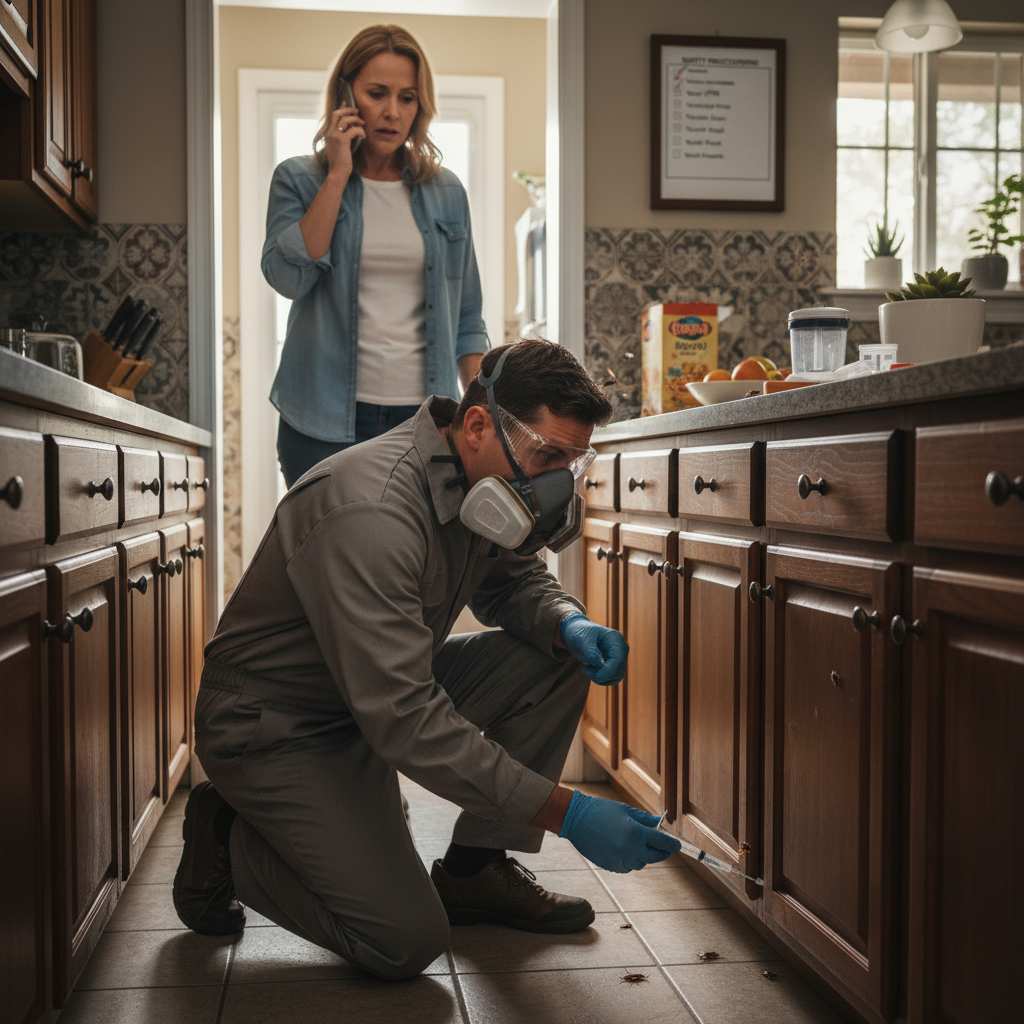
When handling chemical pesticides, it is crucial to adhere to safety precautions to minimize the risk of accidental exposure. Recommended personal protective equipment (PPE) includes long pants, long-sleeved shirts, closed-toe shoes with socks, chemical-resistant gloves, and goggles. In areas with poor ventilation, masks or respirators may be necessary as per manufacturer guidelines. Additionally, washing hands and changing clothes immediately after pesticide application further reduces exposure risks.
Proper storage and disposal of pesticides and their containers are essential to prevent contamination of water and soil. Storing unused chemicals safely and disposing of containers according to regulations helps mitigate environmental hazards associated with chemical pest control. Users should avoid spraying on windy or rainy days to prevent pesticide drift or runoff into unintended areas.
The toxicity of pest control chemicals varies widely, and understanding these risks is important for protecting human health, animals, and the environment. Chemical pesticides can affect non-target organisms, including beneficial insects such as pollinators and natural enemies of pests, and may contribute to the development of pesticide resistance in pest populations. Therefore, careful selection and responsible use of pesticides are critical to effective pest management with minimal adverse effects.
Biological control methods, while sometimes slower to establish, offer safer and more sustainable alternatives with lower environmental impact. These methods leverage natural predators and tend to sustain themselves with minimal additional investment, reducing the likelihood of resistance development compared to chemical treatments. Prioritizing eco-friendly practices within pest control ensures that interventions are both effective and aligned with environmental stewardship.
Effectiveness and Practicality of Rapid Control Methods in Different Settings
Rapid pest control methods must balance effectiveness with safety and practicality across various environments, including agricultural fields, residential homes, urban farms, and commercial facilities. The choice of control methods is often guided by integrated pest management (IPM) principles, which prioritize less risky, targeted interventions before resorting to more intensive measures.
In agricultural settings, cultural controls such as crop rotation, planting pest-resistant varieties, and using pest-free rootstock are cost-efficient and environmentally friendly approaches that can effectively prevent infestations. When monitoring and thresholds indicate that these preventive measures are insufficient, IPM programs incorporate more targeted controls like pheromone traps or mechanical removal. Only when these methods fail are chemical pesticides applied, ensuring both efficacy and minimal environmental impact. Biological control strategies are especially valued for their sustainability and low environmental risk, involving the use or conservation of natural enemies to suppress pest populations. Such tactics can be integrated with agronomic practices like intercropping or altering planting dates to enhance success rates.
In residential environments, rapid control focuses heavily on sanitation and habitat modification to prevent infestations. Measures include removing food sources, eliminating standing water, reducing clutter, and fixing leaks to make homes less attractive to pests. These cultural controls not only help prevent pest problems but also reduce reliance on chemical treatments, thereby safeguarding human and pet health. Additionally, pest control professionals tailor their methods to meet health and safety regulations specific to different environments, such as restaurants or food-processing facilities, ensuring both effectiveness and compliance.
Urban farms present unique challenges due to their smaller scale and the heat island effect, which can accelerate pest growth and spread. Pest management here blends cultural, physical, biological, and chemical methods to maintain crop health in a constrained environment. Rapid control measures prioritize creating a healthy growing environment and often adapt rural strategies to the urban context, emphasizing sustainability and minimal chemical use.
Technological advancements also enhance the practicality of rapid pest control across settings by streamlining operations through automated scheduling, customer management, and digital documentation. These tools improve service efficiency and reduce downtime, enabling quicker response times and better management of urgent pest situations.
Prevention and Long-Term Management
Effective prevention and long-term management are essential components of comprehensive pest control strategies. By addressing the root causes of infestations and implementing sustainable measures, homeowners and businesses can reduce the likelihood of recurring pest problems and minimize reliance on chemical treatments.
Preventive Measures
A proactive approach involves making the environment less attractive to pests by removing their food sources, eliminating standing water, reducing clutter, and fixing leaky pipes. These actions help disrupt the habitat elements—such as food, water, and shelter—that pests depend on to survive and reproduce. Proper food storage, regular cleaning, and maintaining the property are critical cultural control methods that homeowners can adopt to prevent infestations before they begin.
Regular professional preventive treatments are also recommended to deter infestations. Scheduling treatments on a quarterly or annual basis ensures that potential pest threats are addressed early, thereby reducing the risk of emergency situations. Some service programs even provide warranties extending up to 10 years, coupled with annual inspections and renewals to maintain ongoing protection.
Sustainable and Eco-Friendly Practices
Selecting the correct pest control methods not only delivers immediate results but also promotes sustainable, long-term management. Eco-friendly solutions are increasingly favored because they reduce the need for chemical pesticides and support overall building maintenance. Technology-driven tools such as automated scheduling, customer management systems, and digital documentation further streamline operations and reduce downtime, enhancing service quality and effectiveness.
Integrated Pest Management
Long-term pest management emphasizes integrated approaches that combine environmental modifications, preventive treatments, and professional assessments. When infestations do occur, a thorough inspection by experts helps identify the pest species and infestation level, allowing for tailored treatment plans that maximize eradication success while minimizing risks. Homeowners are encouraged to develop clear pest management plans that include identification, containment, and removal of attractants to quickly control emerging situations and reduce stress.
By adopting these prevention and management strategies, property owners can maintain healthier, pest-resistant environments and avoid the costly damages associated with unchecked infestations, such as those caused by termites and other destructive pests. Following pesticide label instructions and safety warnings remains essential to ensure safe application when chemical treatments are necessary.
The content is provided by Sierra Knightley, The True Signal