Highlights
- Trustworthy mechanics prioritize transparency, communication, and ongoing education to foster customer confidence.
- Look for certified professionals who uphold ethical practices for reliable automotive repair and maintenance.
“`html
Overview of Trustworthy Mechanics
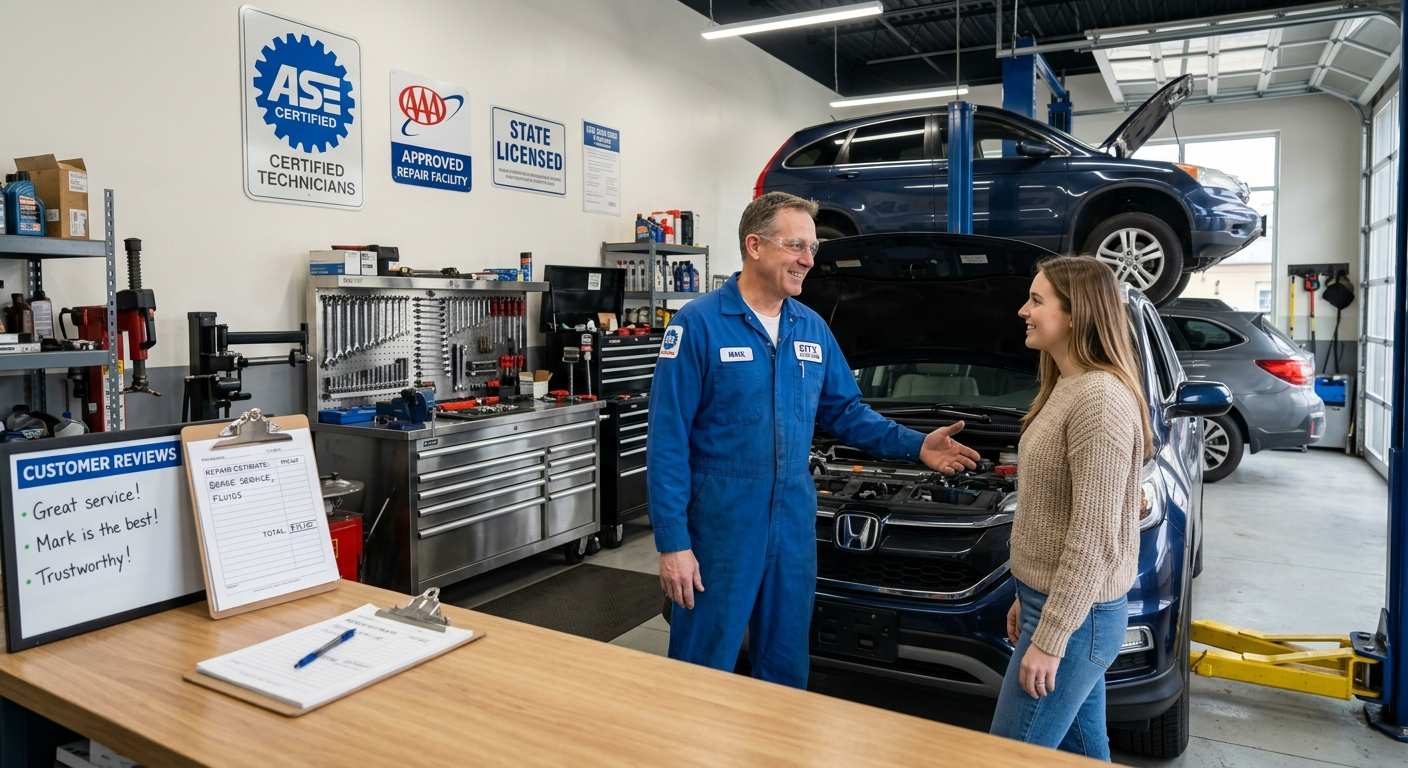
A trusted mechanic combines technical expertise, clear communication, and ethical practices to deliver reliable automotive services. Indicators of trustworthiness include clear explanations of vehicle issues, detailed estimates, professional certifications such as the Automotive Service Excellence (ASE) credential, and a clean work environment. These attributes build consumer confidence and encourage ongoing relationships based on reliability and service quality.
Certifications and ongoing education are vital for a mechanic’s credibility. Credentials like ASE certification and specialized manufacturer training keep technicians updated on vehicle technologies and repair standards. Additionally, participation in reputable programs such as AAA’s Approved Auto Repair or RepairPal underscores a mechanic’s commitment to professionalism and fair pricing. Furthermore, transparency in pricing and prioritization of necessary repairs contribute to distinguishing trustworthy mechanics from less reliable counterparts.
Legal regulations protect consumers by promoting competition and ensuring service transparency. U.S. laws require auto repair shops to provide written estimates and disclose the condition of parts used. The right-to-repair movement further advocates for consumers’ ability to choose service providers. However, consumers must remain vigilant against signs of untrustworthiness, including evasive communication and high-pressure sales tactics.
Identifying a Trusted Mechanic
Assessing a mechanic’s trustworthiness involves examining several critical factors, such as certifications, communication style, customer feedback, and shop environment.
Certifications and Credentials
One prominent indicator of a mechanic’s reliability is formal certification, particularly ASE certification, which reflects their expertise and ongoing education. Mechanics must pass rigorous exams and recertify every five years, ensuring they stay informed about the latest repair techniques. It is advisable for customers to check for visible certification displays in the shop to gauge reliability.
Communication and Transparency
Effective communication is crucial; trustworthy mechanics provide detailed estimates, avoid jargon, and allow customers time to consider repair options. Such transparency fosters trust, enabling informed decision-making by vehicle owners.
Customer Reputation and Feedback
In today’s digital landscape, customer reviews play a significant role in evaluating a mechanic’s credibility. Positive testimonials about timely and honest service are valuable, while feedback on complaint handling offers insight into a shop’s commitment to customer satisfaction. Recommendations from trusted friends and family further enhance the search for reputable mechanics.
Shop Environment and Warranties
A clean, organized repair shop reflects professionalism and attention to detail, while robust warranty policies indicate confidence in service quality. Comparing multiple shops based on these attributes alongside pricing helps in identifying dependable mechanics.
Recognizing Warning Signs
Awareness of potential red flags is essential when selecting a mechanic. Indicators of untrustworthiness may include evasive communication and disorganization during estimates. Mechanics who avoid providing guarantees or insist on cash payments without documentation can put customers at risk. Additionally, high-pressure sales tactics should raise suspicion about their priorities.
Proper communication, such as clear explanations of needed repairs, is a key sign of a competent mechanic. On the other hand, mechanics who fail to respond promptly or lack clarity may exhibit poor customer care. Environmental cues, such as a chaotic workspace, can also suggest a lack of professionalism.
Long-Term Relationships with Mechanics
Establishing a long-term relationship with a mechanic yields numerous advantages for vehicle owners. A mechanic familiar with a vehicle’s history can provide more accurate diagnostics, preventing costly mistakes and ensuring precise repairs. Long-term customers often enjoy perks such as priority service and discounts, fostering loyalty and trust.
Reliable mechanics prioritize transparency and open communication, providing detailed estimates and prioritizing urgent repairs. They may offer preventive maintenance reminders and collaborate with other service providers, reinforcing their commitment to customer safety and convenience. Recommendations from trusted individuals further assist in identifying skilled mechanics, reducing the likelihood of overpriced repairs. Developing a trusting relationship with a mechanic ultimately results in improved care for the vehicle and peace of mind for the owner.
“`
The content is provided by Blake Sterling, The True Signal